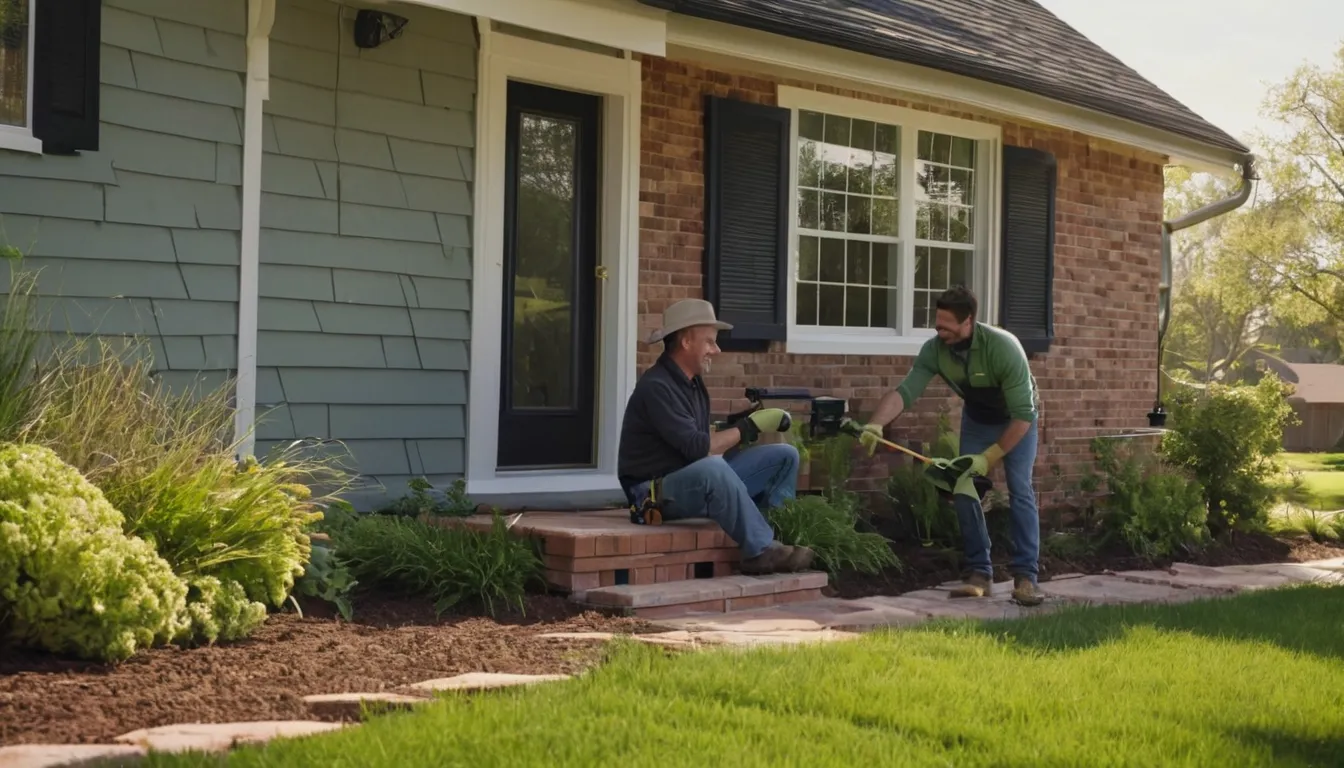
Home Siding Installation From Local Providers
Siding is your home's first defense against rain, wind, and heat. When panels crack, buckle, or pull loose, water can reach the wall behind them. In this region, heavy downpours and storm season make that risk real.
Struckdelay Windows & Siding is a referral service. We do not install siding. We take your request, check the basics, and route it to an independent provider in our network. The provider does the work, measures your home, and gives a written quote. This page explains the signs, the materials, the process, and the questions worth asking before you agree to anything.
Siding failing? Start here
Water behind siding is the urgent problem. Wet sheathing and framing can rot, grow mold, and attract pests. Cosmetic problems can wait a little. Leaks cannot.
This page goes from most urgent to least. Read the first section first.
Urgent signs: water may be getting in
Treat these as time-sensitive:
- Panels missing or blown off after a storm
- Soft, spongy, or dark wood under a cracked panel
- Water stains on interior walls below a siding problem
- Mold or musty smell near an exterior wall
- Gaps wide enough to see the wall behind
If you see any of these, protect what you can and get a provider's opinion soon.
What you can safely do yourself
A few jobs are fine for a careful homeowner. Take photos. Note dates. Clear gutters so water does not run down the wall. Trim shrubs away from the siding. Look for damage from the ground, using a ladder only if you are steady and have a helper.
These steps help the provider understand the problem.
Where DIY stops
Full siding installation is not a weekend project. It needs scaffolding or tall ladders, specialty cutting tools, and skill with flashing. Flashing is thin metal that guides water out and away from openings. Mistakes here often show up only after the first big rain.
A provider also knows local code and how to avoid trapping moisture in the wall.
Less urgent signs your home needs new siding
These suggest planning, not panic:
- Fading, chalky color that rubs off
- Warped or wavy panels
- Hairline cracks across several walls
- Paint peeling on wood or fiber cement
- Higher cooling bills than you expect
One damaged board is a small job. Damage on every wall means the siding has aged out.
Choosing a siding material
Material affects price, upkeep, and how the wall handles heat and rain. A provider can compare options after seeing your home.
Vinyl siding
Vinyl siding is a common choice here. It resists moisture, needs little upkeep, and comes in many colors. Thicker panels hold up better to sun and wind. Ask about the wind rating.
Fiber cement
Fiber cement is a mix of cement and wood fibers. It is tough, handles humid weather well, and resists fire. It is heavy and needs careful cutting, so installation costs more.
Engineered wood
Engineered wood looks like real wood and resists rot better than plain lumber. It still needs good paint or finish and tight seals at the cut ends.
Brick and brick veneer
Many homes here already have brick. Brick rarely needs replacing. Siding is often added to gables, bump-outs, or other sections. A provider can blend materials cleanly.
Heat, attics, and energy use
Hot summers and very hot attics push cooling costs up. Siding with insulated backing adds a thermal layer to the wall. Pair it with energy efficient windows and you cut heat gain from two directions. Ask the provider what insulation options fit your wall type.
What siding installation involves
The steps below are typical. Each provider has its own order.
Inspect and measure
The provider walks the home, checks for damage, and measures every wall. Measure, then quote. A written quote built on real measurements beats a guess.
Tear-off and wall check
Old siding comes off. The crew checks sheathing, the layer under the siding, for rot. Bad sections are replaced before anything new goes on.
Water barrier and flashing
A weather-resistant barrier goes over the sheathing. Flashing is added around windows, doors, and vents. This hidden layer does a lot of the protecting.
Panels, trim, and sealing
Panels are hung from the bottom up. Corners, trim, and joints get sealed. Vinyl needs room to expand in heat, so nails are not driven tight.
Cleanup
The provider removes old material and checks the yard for nails. Ask whether this is in the quote.
How long does siding installation take?
A small home with simple walls may take a few days. A larger or two-story home can take a week or more. Weather, material delivery, and rotted sections add time. Ask the provider for a schedule in writing.
Planning ahead
Walk your property with the provider. Move patio furniture, grills, and vehicles away from the walls. Cover or move plants. Tell the provider about pets, work-from-home hours, and any access limits.
If you also plan new windows, mention it early. Siding and windows share trim and flashing, and doing them in the right order saves rework. Window replacement needs at least two windows to qualify through our network.
Timing around storm season
Heavy rain and tropical storms can delay exterior work. Walls should not sit open in wet weather. A good provider plans tear-off in sections and keeps tarps and barrier ready. Booking before storm season gives you more choices on dates.
Questions to ask the provider
Write these down before your visit:
- Are you licensed and insured in this state?
- Do you handle tear-off and rotted sheathing?
- What weather barrier and flashing will you use?
- What is the wind rating of the siding?
- Is the quote itemized, and does it list materials by brand and line?
- What warranty comes with the materials and the labor?
- Who is on site each day?
Providers set their own terms, so compare more than one quote.
Who does what
Struckdelay Windows & Siding takes your request and checks the basics. We route it to an independent provider in our network. The provider does the work, signs the contract, and stands behind the job. We are not a party to that agreement. Provider hours and availability vary, so Request a callback to check provider availability.
Insurance and documentation
Some policies may cover sudden damage, such as a storm tearing off panels. Wear and age are usually not covered. Check your policy. Providers can often help document damage for a claim.
What's Included
Wall inspection and measuring
The provider checks every wall for moisture and damage, then takes exact measurements before giving you a written quote.
Old siding removal
Worn panels come off, and soft or rotted sheathing is found and replaced.
Barrier and flashing work
A weather barrier and flashing go around openings to move water away from the wall.
Panel and trim installation
New panels, corners, and trim are fitted and sealed, then the site is cleaned up.
Typical siding price ranges
Prices below are typical U.S. ranges for a whole house and vary by home size, wall condition, and material. Treat them as a starting point, and get a written quote from the provider.
| Item | Typical range | Notes |
|---|---|---|
| Vinyl siding, whole house | $8,000 – $20,000 | Varies with panel thickness and home size |
| Fiber cement siding | $12,000 – $30,000 | Heavier material, more labor |
| Engineered wood siding | $10,000 – $24,000 | Needs paint or finish |
| Old siding tear-off and disposal | $1,000 – $3,000 | Depends on layers and wall area |
| Insulated backing or foam board | $1,500 – $5,000 | Can reduce heat gain through walls |
| Trim, soffit, and fascia | $1,500 – $6,000 | Often quoted separately |
How It Works
Tell us about it
Request a callback or send the request form with your siding type and what you see.
We check the basics
We confirm your location and project so the request goes to a fitting provider.
Provider contacts you
A local provider in our network follows up to set a visit and measure the walls.
Compare the written quote
Review the quote, ask questions, and decide. The provider does the work if you hire them.
Why Call Struckdelay Windows & Siding
Clear about who does the work
The provider installs the siding. Struckdelay Windows & Siding only matches your request to a local provider.
Local providers
Providers in our network know regional rain, heat, and storm conditions that affect siding choices.
Written quotes
Measure, then quote. Ask each provider for an itemized written estimate.
No obligation
Requesting an estimate does not commit you to hire anyone.
Other Services
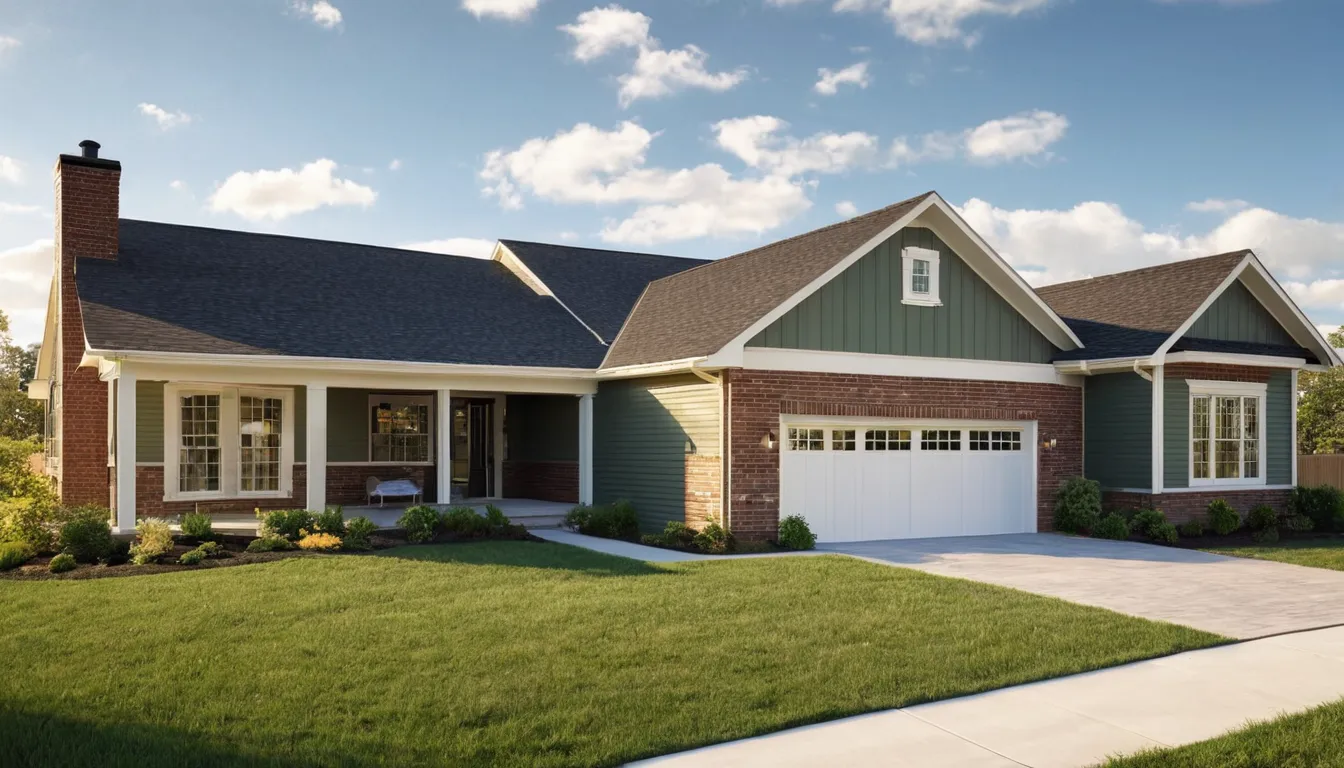
Need home siding installation in Kenner?
Planning a window replacement or siding job? Request a callback to check provider availability, or send your project details through the request form.
No obligationHome Siding Installation FAQ
How do I know if my siding needs to be replaced?
Look for cracked, warped, or loose panels, soft wood, stains on interior walls, or fading that rubs off. Widespread damage on several walls usually means replacement. One damaged spot may be a small job. A provider can inspect and advise.
Can I install siding myself?
Small tasks like cleaning and trimming plants are fine. Full installation needs tall access, special tools, and correct flashing. Mistakes can trap water in the wall, so most homeowners hire a provider.
Is vinyl siding a good choice in hot, humid weather?
Vinyl resists moisture and needs little upkeep, which suits wet, humid areas. Choose thicker panels with a good wind rating, and ask the provider how they leave room for heat expansion.
Reach a local provider
Planning a window replacement or siding job? Request a callback to check provider availability, or send your project details through the request form.
No obligation